

Cervical Dysplasia & HPV Care
You have the results. You do not have to figure out what they mean alone.
Maybe HPV positive, HSIL, CIN2, or CIN2-3 appeared in your patient portal before anyone had time to explain it.
Maybe you were told you need a colposcopy or LEEP, but you are still trying to understand whether you have cancer, how urgent this is, and whether you have another option.
That uncertainty can feel overwhelming.
We help women understand what their results actually mean, what needs attention, and what reasonable paths exist from here. Depending on your situation, that may include monitoring, a gentle colposcopy, a second opinion, excisional treatment, or a nonsurgical approach.
For women with squamous CIN2 or CIN3 who want to preserve cervical tissue, we offer imiquimod as a studied, nonsurgical LEEP alternative.
You do not need to know which service or treatment you need before contacting us. Send us the results you already have. We will help you identify the next step.
Send us your results“Talking with you and hearing your passion for an alternative treatment was the first moment I felt a pinhole of light in a dark cave. It didn’t matter if it worked or didn’t work—there was another option.”
— Former imiquimod patient
First, Take a Breath
Most abnormal cervical screening results are not cervical cancer.
An abnormal Pap describes cells that do not look completely normal. A positive HPV test means high-risk HPV was detected. CIN1, CIN2, and CIN3 describe different degrees of abnormal cells found on a cervical biopsy.
These results need appropriate follow-up, but they do not all mean the same thing or lead to the same next step.
Before choosing a treatment, you deserve to understand:
– What was actually found
– How concerned you should be
– What should happen next
– Whether more than one reasonable option exists
The first decision is often not which treatment to choose. It is understanding the diagnosis.

The Questions Women Actually Ask
Women rarely arrive thinking in neat medical categories. They arrive asking:
– “Does this mean I have cancer?”
– “Why did HPV show up after years of normal tests?”
– “Did my partner give this to me?”
– “How much will the colposcopy or biopsy hurt?”
– “Do I really need a LEEP?”
– “Could treatment affect a future pregnancy?”
– “What if I already had a LEEP and HPV is still positive?”
HPV is extremely common. A positive HPV result does not reveal when the infection began, and it does not prove that either partner has been unfaithful. HPV can become detectable again years after the original exposure.
You should be able to ask these questions without embarrassment or judgment. Wanting an explanation is not refusing care.
Our goal is to help you understand your results, your level of risk, and the reasoning behind your options — so you can move forward with clarity and confidence.
What Services We Offer:
-
 CONSULTATION & SECOND OPINION
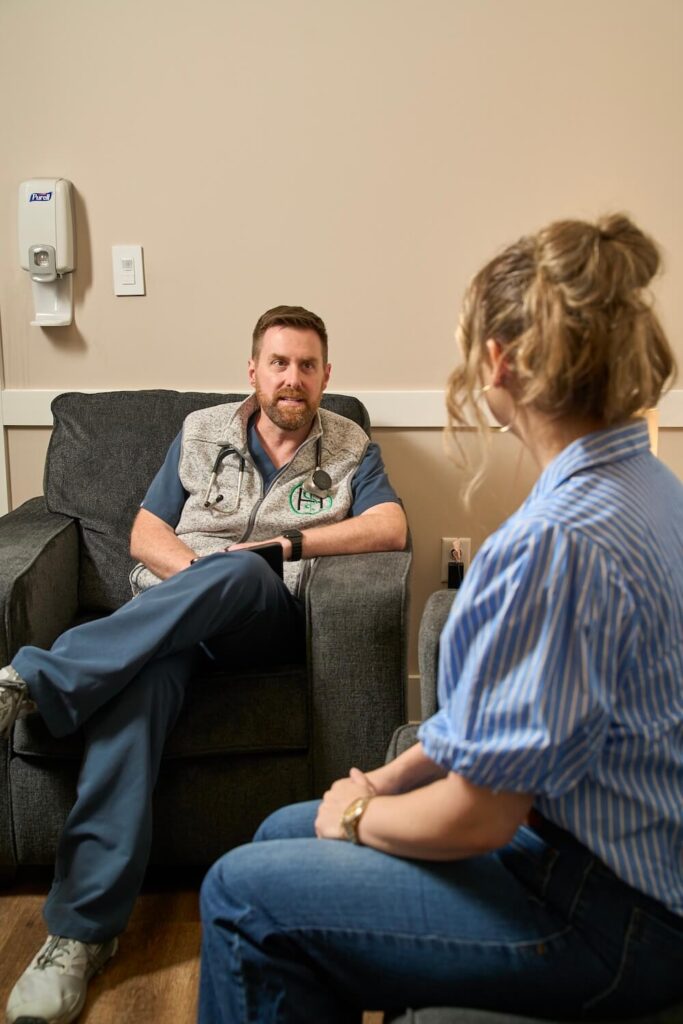
Put the entire cervical story together Pap tests, HPV results, colposcopy findings, biopsies, ECC results, previous treatment, and future pregnancy plans may each tell a different part of the story. We review them together, explain what they mean in plain language, and give you a clear recommendation. You do not have to disagree with your current clinician to want another opinion.
Consultation / Second Opinion — $350 -
 GENTLE COLPOSCOPY
Careful evaluation without treating comfort as an afterthought A high-quality colposcopy requires careful examination and appropriate biopsy when indicated. It can also include explanation, consent, thoughtful pacing, and respect for previous painful or difficult experiences. Tell us what you are worried about. We want you to understand what is happening before and during the examination.
Colposcopy — $350 + pathology fees -
 IMIQUIMOD TREATMENT
A nonsurgical LEEP alternative for squamous CIN2 or CIN3 Imiquimod is an immune-response medication that can treat high-grade cervical dysplasia without removing cervical tissue. Its use on the cervix is off-label, but randomized clinical trials and systematic reviews show that it can cause CIN2 and CIN3 to regress in a meaningful proportion of women. If you have squamous CIN2 or CIN3 and want a nonsurgical option, that is enough reason to explore imiquimod. We first evaluate the cervix and exclude adenocarcinoma in situ or invasive disease that requires excision.
Imiquimod Treatment Program — $2,200 + pathology fees
What Happens When You Contact Us?
1. SEND THE RESULTS YOU ALREADY HAVE
Tell us what you have been told and send any Pap, HPV, colposcopy, biopsy, ECC, or previous treatment records you already have.
You do not need to assemble everything before making contact.
2. WE REVIEW THE STORY
We look at the sequence of results rather than treating one portal message or pathology phrase as the entire picture.
3. WE IDENTIFY WHAT IS NEEDED IN PERSON
Depending on your situation, the next step may be a consultation, cervical examination, colposcopy, additional sampling, or treatment evaluation. We do not repeat a procedure simply because you came to a new office; it should answer a clinical question.
4. YOU LEAVE WITH A PLAN
You should understand what we found, what we recommend, what other reasonable options exist, and what happens next.
Send us your results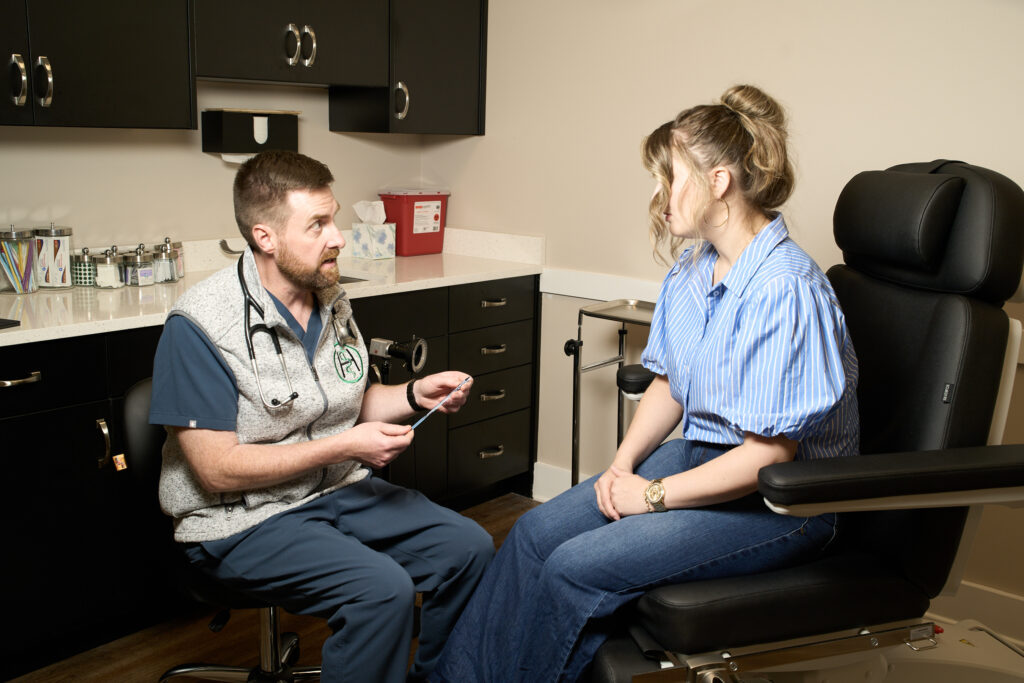
Transparent Pricing
Consultation & Second Opinion — $350
Review of your results and history, focused consultation, and a clear recommendation. Additional pathology fees apply if tissue is collected.
Colposcopy — $350 + pathology fees
Pathology fees are usually $50–$100, depending on the specimens obtained.
Imiquimod Treatment Program — $2,200 + pathology fees
Includes evaluation, the 16-week treatment program, support during therapy, and post-treatment reassessment.
No Hitchcock Family Medicine membership is required. Members receive cervical dysplasia services as part of their membership.

Meet Matthew Hitchcock, MD
Focused, unhurried cervical dysplasia care
Matthew Hitchcock, MD, MBA, is a board-certified family physician with a focused clinical practice in cervical dysplasia, HPV, colposcopy, and the evaluation of abnormal cervical screening results.
His approach is deliberately unhurried. The purpose is not simply to move you toward a procedure. It is to understand the pathology, examine the cervix when needed, discuss what matters to you, and make a plan you understand.
When excisional treatment or cancer-specialist care is needed, we explain why and coordinate with the appropriate gynecologist or gynecologic oncologist.
“I want you to understand what we know, what we do not know, what your reasonable options are, and why I am recommending what comes next.”
Dr. Hitchcock sees patients in Chattanooga, Tennessee, including women who travel from outside the region.
Traveling to Chattanooga
Written and medically reviewed by Matthew Hitchcock, MD
Board-Certified Family Physician
Last reviewed: August 26, 2026



Have cervical dysplasia results and not sure what comes next?
You do not need to know exactly what kind of appointment or treatment you need before contacting us.
If you have an abnormal Pap or HPV result, need a colposcopy, have been diagnosed with CIN1, CIN2, or CIN3, have been told you may need a LEEP, or want a second opinion about your options, start with the results you already have.
Our team will review your request and help you understand the appropriate next step.